Best Camping Axes (2026): Choose the Right Hatchet for Outdoor Adventures
Introduction
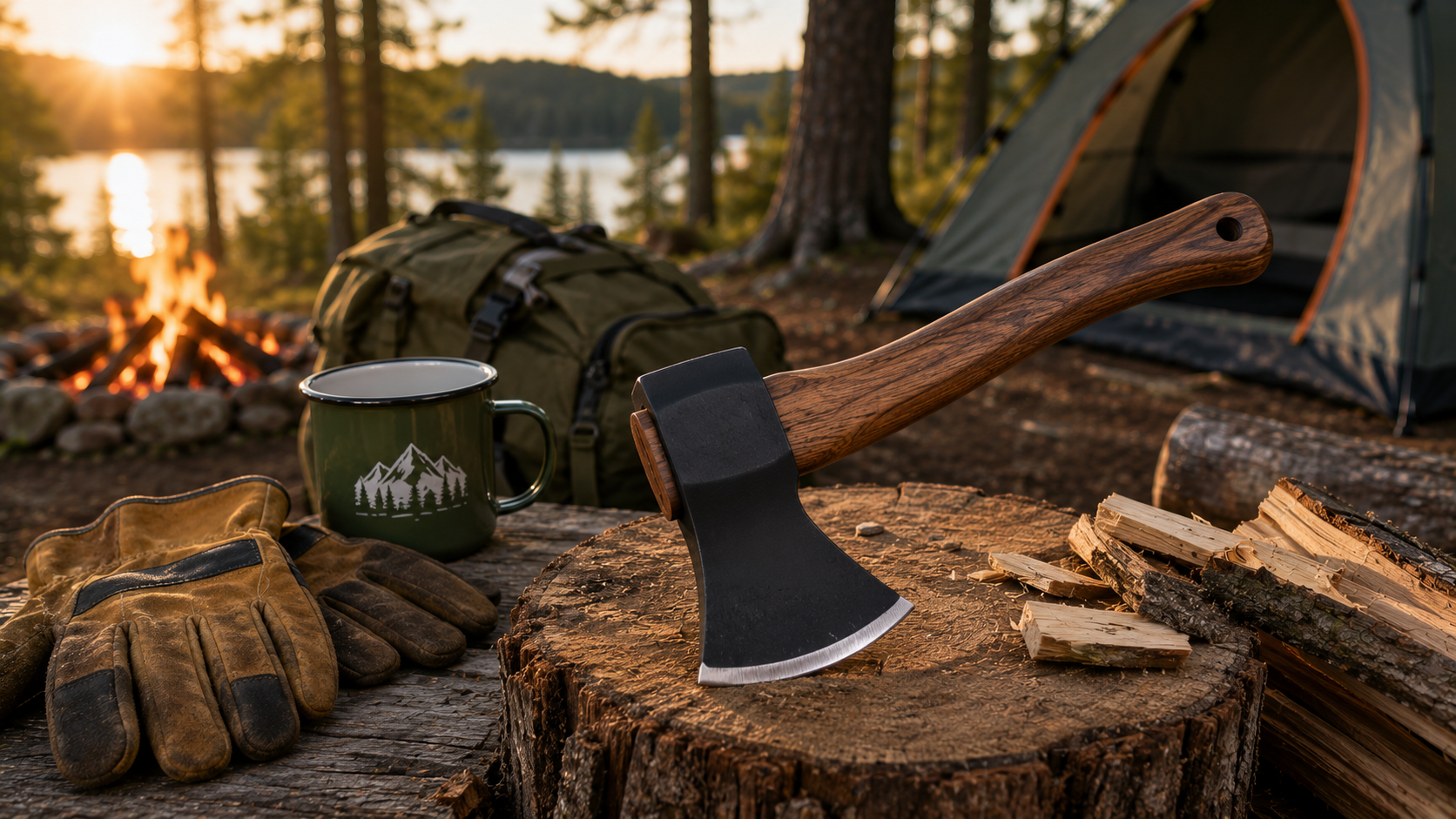
A reliable camping axe is one of the most useful tools for campers who regularly build campfires, process firewood, or prepare campsites. The Best Camping Axes make it easier to split kindling, remove small branches, hammer tent stakes, and complete many outdoor tasks with confidence.
Today’s camping axes are available in several styles, including compact hatchets, splitting axes, survival axes, and lightweight backpacking models. Choosing the right one depends on your camping style, the type of wood you’ll be working with, and how much gear you want to carry.
In this guide, you’ll learn how to choose the Best Camping Axes, compare the most popular styles, and discover the key features that make a quality camping axe safe, durable, and efficient.
Types of Camping Axes
The Best Camping Axes are available in several styles, each designed for different outdoor activities. Selecting the right axe depends on the type of camping you enjoy and how much wood processing you expect to do.
Camping Hatchets
Camping hatchets are compact, lightweight, and easy to carry. They are perfect for splitting kindling, trimming branches, and performing general campsite tasks.
Best for:
- Car camping
- Weekend camping
- Family camping
- General campsite use
Splitting Axes
Splitting axes feature heavier heads designed to split larger logs efficiently with fewer swings.
Best for:
- Base camps
- Long camping trips
- Firewood preparation
- Cold-weather camping
Survival Axes
Survival axes often include features such as hammer polls, sharpened backs, or integrated fire starters, making them ideal for emergency preparedness.
Best for:
- Bushcraft
- Survival camping
- Overlanding
- Emergency kits
Backpacking Axes
These ultralight axes reduce pack weight while still providing enough power for processing small pieces of firewood.
Best for:
- Backpacking
- Hiking
- Minimalist camping
- Lightweight adventures
Buying Guide
Before purchasing a camping axe, consider these important features:
- Head Material – High-carbon or forged steel offers excellent durability.
- Handle Construction – Hickory, fiberglass, or composite handles each have different advantages.
- Weight Balance – Choose an axe that’s powerful but comfortable to swing.
- Grip Comfort – Non-slip handles improve control and safety.
- Protective Sheath – Always store the blade with a durable sheath.
- Rust Resistance – Protective coatings help prevent corrosion.
A quality camping axe makes campsite preparation faster, safer, and much more efficient.
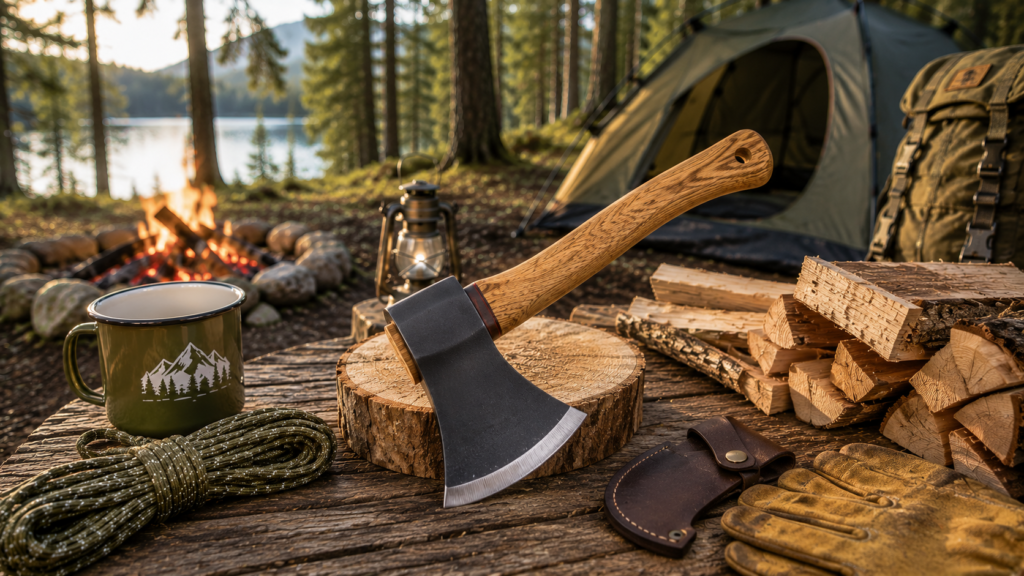
Best Features to Look for in Camping Axes
The Best Camping Axes are built to handle demanding outdoor tasks while remaining safe and comfortable to use. Before buying one, consider these key features.
High-Carbon Steel Head
A high-carbon steel blade stays sharp longer, delivers excellent chopping performance, and withstands repeated impacts. Regular maintenance helps prevent rust and keeps the edge in top condition.
Durable Handle Materials
Camping axes commonly feature:
- Hickory wood handles for traditional feel and shock absorption.
- Fiberglass handles for durability and weather resistance.
- Composite handles for lightweight performance and reduced vibration.
Balanced Weight
A properly balanced axe delivers greater chopping power while reducing fatigue during extended use.
Comfortable Grip
Textured, non-slip handles improve control, especially when working in cold or wet conditions.
Protective Blade Sheath
A quality sheath protects both the blade and surrounding gear during transport while improving overall safety.
Easy Maintenance
Regular sharpening, cleaning, and light oiling help extend the life of your camping axe and ensure consistent performance.
Camping Axe Safety Tips
Using a camping axe safely is just as important as choosing the right one.
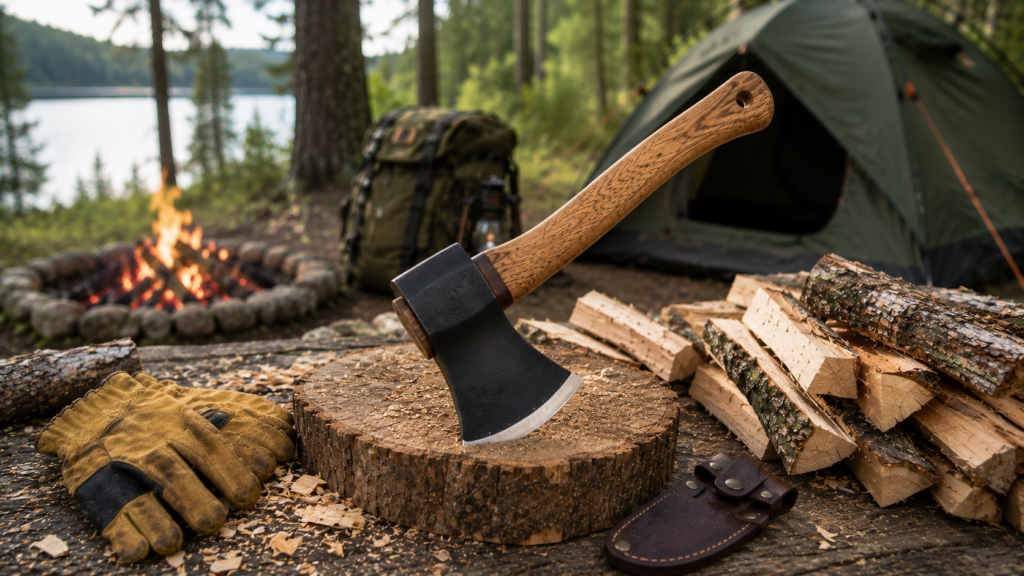
- Always chop on a stable chopping block.
- Wear durable work gloves and sturdy footwear.
- Keep bystanders outside your swing radius.
- Store the axe with the blade covered.
- Never use a damaged or loose axe.
- Inspect the handle before every camping trip.
Following these simple safety practices helps prevent injuries while making campsite tasks more efficient.
Final Thoughts
The Best Camping Axes are an essential tool for campers who regularly prepare firewood, maintain campsites, or enjoy bushcraft activities. A well-balanced camping axe makes chopping wood easier, faster, and safer while reducing fatigue during extended use.
Choosing the right axe depends on your camping style. Compact hatchets are ideal for everyday campsite tasks, while larger splitting axes provide extra power for processing firewood. Whatever model you choose, always prioritize safety by using a stable chopping surface, wearing protective gloves, and keeping the blade covered when not in use.
With proper maintenance and responsible handling, a quality camping axe will provide dependable performance for many years of outdoor adventures.
FAQ
What size camping axe is best?
Most campers prefer a hatchet with a handle between 14 and 18 inches, offering an excellent balance of portability and chopping power.
Are camping axes better than hatchets?
Hatchets are lighter and easier to carry, making them ideal for most campers. Full-size axes provide greater splitting power but are heavier and better suited for base camps.
How often should I sharpen a camping axe?
Sharpen the blade whenever you notice reduced cutting performance or small chips in the edge. Regular maintenance improves safety and efficiency.
How should I store a camping axe?
Always clean and dry the blade after use, apply a light coat of oil to prevent rust, and store it inside a protective sheath in a dry location.
Internal Links
Carry the Best Camping Multi-Tools to handle campsite repairs and everyday outdoor tasks.
Prepare delicious outdoor meals using the Best Camping Cookware Sets for every camping adventure.
Stay safe with the Best Camping First Aid Kits before tackling wood processing tasks.
Related Guides
Discover the Best Camping Fire Starters for building safe campfires in every season.
Compare the Best Camping Multi-Tools to tackle repairs and campsite maintenance with ease.
Explore the Best Camping Fire Pits for safer and more enjoyable campfires.
External Link
Learn safe axe handling and outdoor wood-processing practices from the U.S. Forest Service.