13 Car Camping Mistakes That Can Ruin Your Trip Before Nightfall
Your Trip Usually Goes Wrong Before You Even Realize It
Car camping looks ridiculously easy from the outside. Throw a mattress in the back, pack some food, drive somewhere beautiful, and wake up next to a lake.
Then reality shows up.
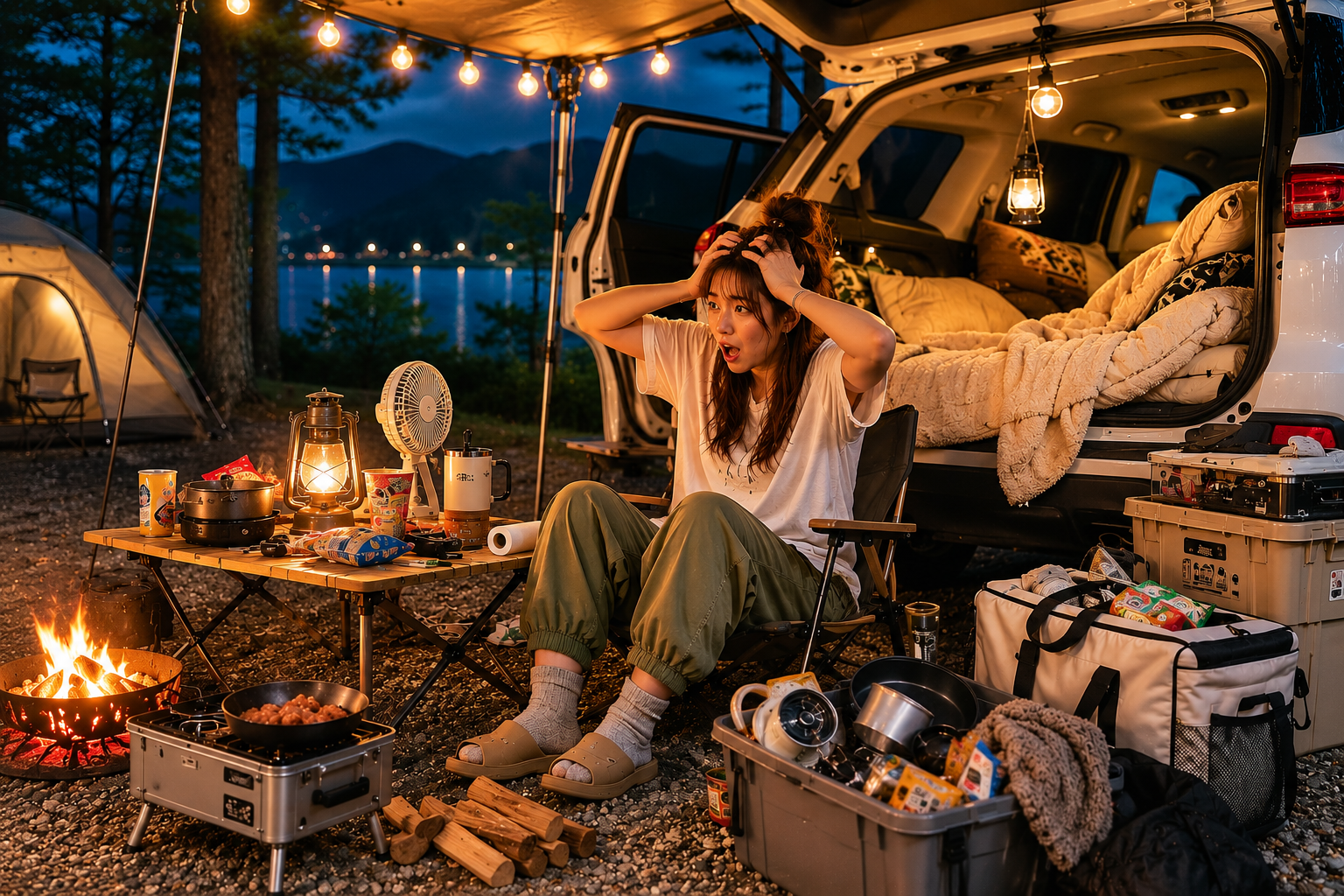
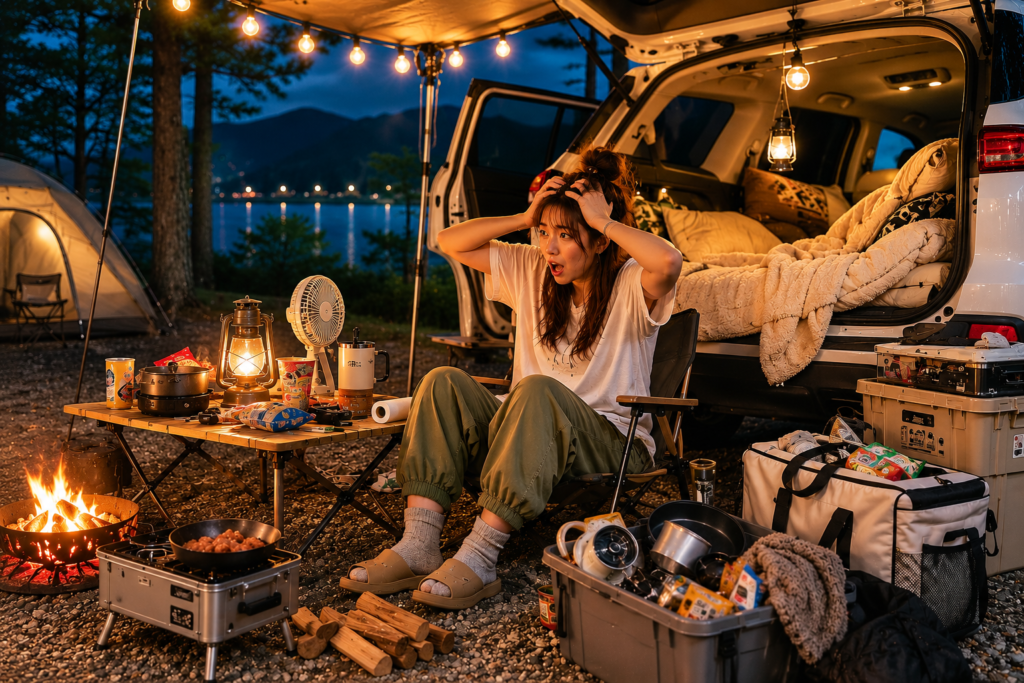
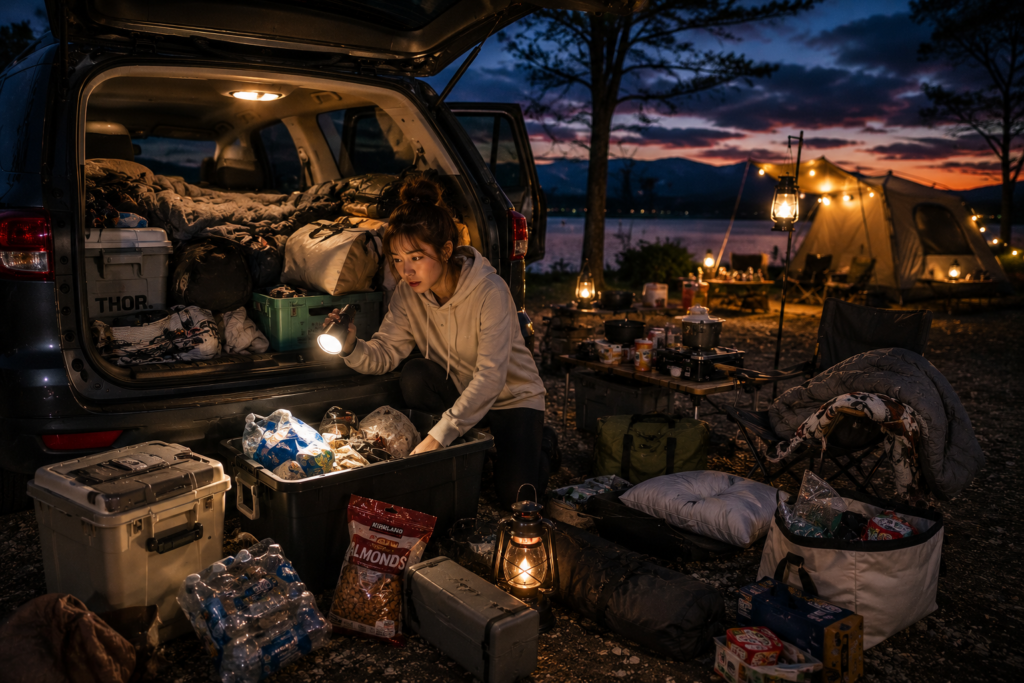
You arrive later than planned. The sun is disappearing. Your flashlight is buried under three storage boxes. Dinner ingredients are somewhere beneath your sleeping bag. Your perfectly flat parking spot turns out to be slightly tilted, and suddenly you’re trying to cook, unpack, and build a bed at the same time.
By 9 p.m., you’re wondering why Instagram made this look so peaceful.
The good news? Most miserable car camping nights aren’t caused by bad luck. They’re caused by a handful of surprisingly common mistakes—and almost all of them are preventable.
Here are 13 car camping mistakes worth avoiding before your next trip.
Arriving at Camp After Dark
This is the mistake that makes every other mistake harder.
A campsite that looks obvious in daylight becomes surprisingly confusing after dark. Finding a level parking spot, checking the ground, locating bathrooms, organizing equipment, and preparing dinner all become more difficult with a flashlight in one hand.
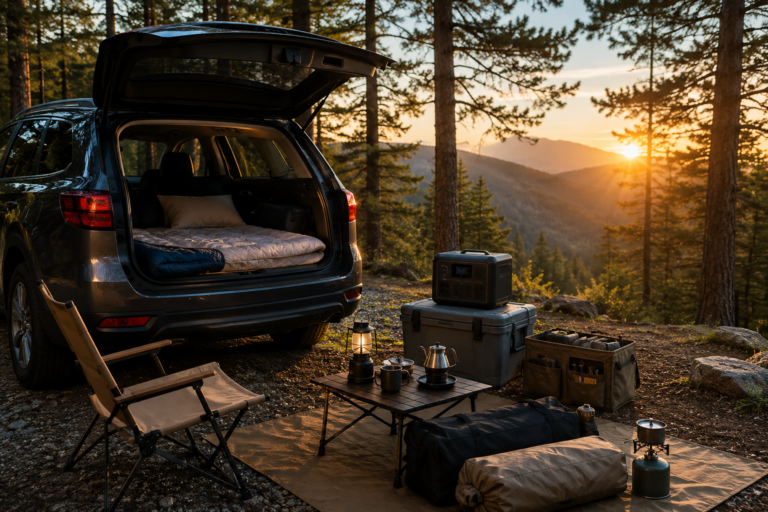
For your first few trips, aim to arrive at least two hours before sunset.
That gives you enough daylight to look around, reposition the vehicle, unpack essential gear, and understand your surroundings before darkness changes everything.
And here’s the part beginners underestimate: don’t immediately start decorating.
Get the boring stuff done first—parking, sleeping setup, lighting, food storage, and shelter.
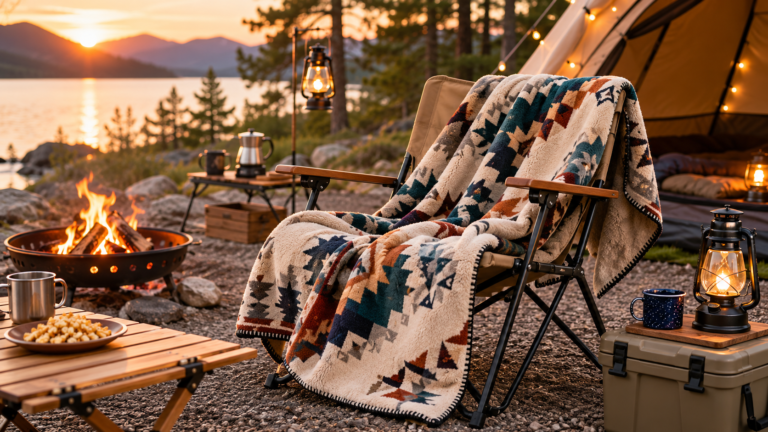
The fairy lights can wait.
Packing Everything You Own
More gear feels like more preparation.
Usually, it means more chaos.
When your SUV is packed to the roof, the one thing you desperately need always seems to be underneath everything else.
Instead of asking, “What might I need?” ask:
“What will I definitely use?”
Build your setup around essentials first. Sleeping gear, water, food, cooking equipment, lighting, weather protection, basic tools, and emergency supplies deserve priority.
Everything else has to earn its space.
A surprisingly good rule is this: if you’ve taken something on three trips and never touched it, seriously consider leaving it home next time.
Less gear doesn’t necessarily mean less comfort.
Sometimes it means you can finally find your socks.
Building Your Bed for the First Time at Camp
This one has ruined plenty of first nights.
The mattress looked perfect online. The SUV looked enormous in your driveway.
Then you put the two together.
The hatch won’t close.
Or the mattress hits the wheel wells. Or your head touches the roof. Or you discover that folding the rear seats creates a mysterious six-inch mountain directly under your spine.
Do a complete sleep test at home before the trip.
Fold the seats. Inflate the mattress. Add your pillows and bedding. Close every door. Lie inside for 20 minutes.
Even better, try getting out of the vehicle without destroying the entire setup.
You’ll learn more from that 20-minute test than from another two hours of shopping for camping gear.
4. Choosing a Campsite Because the View Looks Amazing
That lakeside spot looks incredible.
Until the wind starts.
Or you discover the ground slopes just enough that you spend the entire night slowly sliding toward the hatch.
A beautiful view should never be your only reason for choosing where to park. Before settling in, check the ground, drainage, overhead branches, wind exposure, nearby traffic, and whether you’re actually allowed to stay overnight.
Walk around the vehicle before unloading anything.
If rain is possible, look carefully at where water would naturally flow. A shallow-looking depression can become a very unpleasant surprise at 2 a.m.
The best campsite isn’t always the one that looks best in a photo.
It’s the one where you still feel comfortable eight hours later.
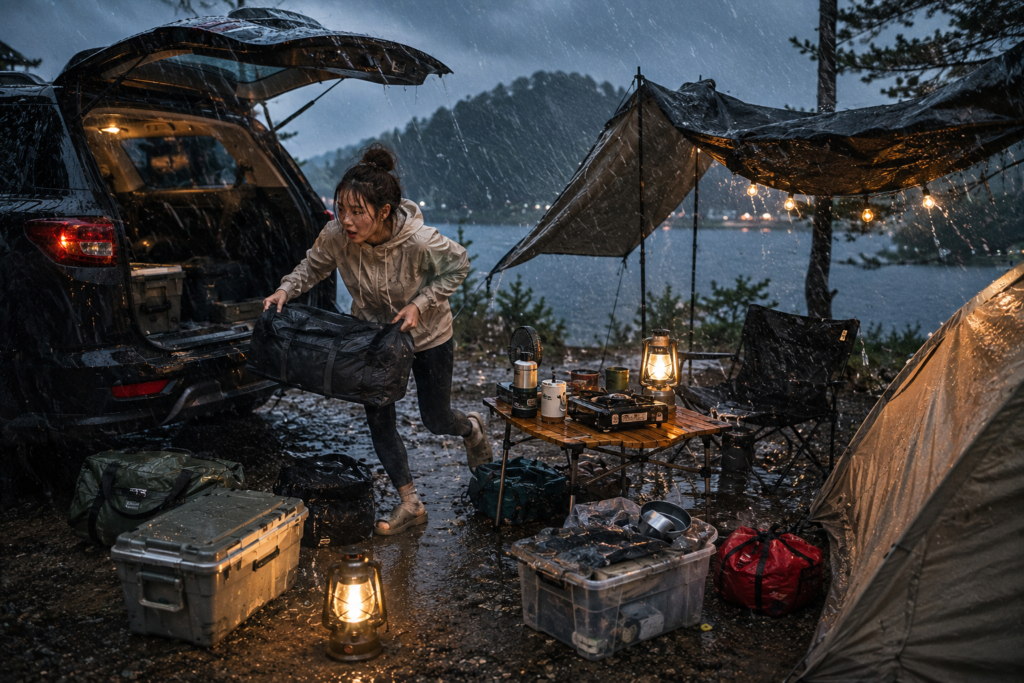
Ignoring the Weather Because “It Probably Won’t Rain”
Famous last words.
A 20% chance of rain sounds harmless when you’re sitting at home.
It feels considerably less harmless when your shoes are floating underneath the picnic table.
Check the forecast before leaving, then check it again close to departure. Pay attention not only to rain but also to overnight temperatures, wind, thunderstorms, heat, and sudden temperature drops.
Bring a simple backup plan.
Know what goes inside the vehicle first if rain suddenly arrives. Keep rain gear somewhere accessible—not underneath your mattress, behind four boxes, and beneath the bag containing tomorrow’s breakfast.
Weather preparation doesn’t mean bringing half a hardware store.
It means knowing what you’ll do when the sky changes its mind.
Treating Your SUV Like a Sealed Bedroom
You finally crawl into bed.
Doors closed. Windows closed. Warm blankets. Perfect.
A few hours later, every window looks like someone took a shower inside your SUV.
Breathing releases moisture, and a tightly closed vehicle can quickly become humid and uncomfortable. Crack opposing windows slightly when conditions allow and use fitted window screens to help with airflow while keeping insects outside.
Ventilation becomes even more important when more than one person sleeps inside.
And one rule deserves absolutely no experimentation:
Never use fuel-burning stoves, heaters, or similar combustion devices inside a closed vehicle.
Cooking happens outside.
Your midnight noodles are not worth turning the SUV into a chemistry experiment.
Forgetting That Nighttime Changes Everything
At 4 p.m., the campsite feels friendly.
At 11:47 p.m., the bathroom suddenly feels approximately 14 miles away.
Before darkness arrives, identify the bathroom, water source, vehicle keys, shoes, flashlight, phone, and anything you might need during the night.
Keep a small “night kit” beside your sleeping area.
A headlamp, shoes, water, tissues, phone, and keys are usually enough.
You don’t want to wake up half asleep and begin excavating your entire SUV because the flashlight has somehow migrated into the cooking box.
And yes, somehow it always does.
Leaving Food Out Because “I’ll Clean It Up Later”
Dinner is finished. The fire is warm. You’re comfortable.
Cleaning can wait, right?
That’s exactly when your campsite starts becoming interesting to animals.
Food scraps, open snack bags, dirty cookware, trash, and even strongly scented toiletries can attract unwanted visitors. Before settling in for the night, clean the cooking area and store food according to the rules for your campground and region.
Don’t assume putting everything inside a tent solves the problem.
It doesn’t.
Create a simple habit: cook → eat → clean → secure food.
Do it before you get sleepy.
Because nobody suddenly becomes more motivated to wash a greasy frying pan at 11:38 p.m.
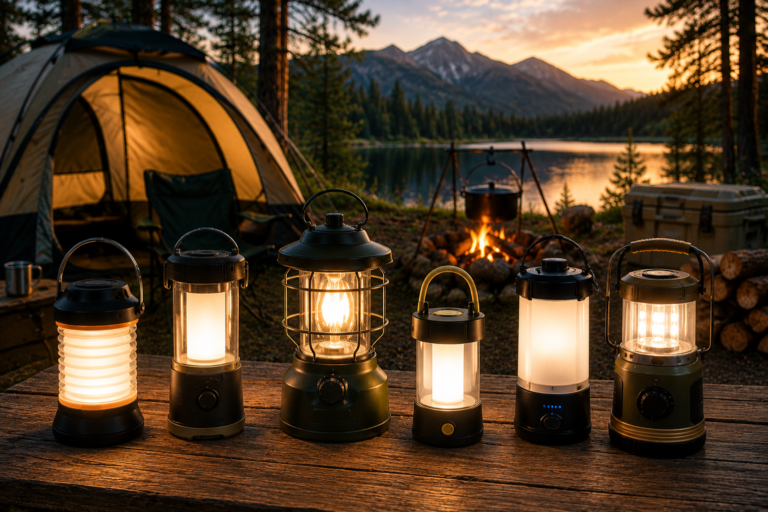
Using Every Light You Brought
You’ve got lanterns.
String lights.
A headlamp.
Two rechargeable lights.
And apparently enough illumination to guide aircraft onto a runway.
Bright campsites look impressive for about five minutes. Then insects arrive, your night vision disappears, and everyone around you gets to enjoy your personal miniature sun.
Use softer lighting where possible and point lights downward instead of blasting them across the campsite.
Keep one brighter light available for cooking or emergencies, but let the rest of the campsite stay relatively dark.
One of the best parts of camping is realizing how incredible the night looks when you stop trying to illuminate all of it.
Discovering at Midnight That Your Power Bank Is Dead
Your phone is at 11%.
The lantern needs charging.
Your portable fan has stopped.
And the power bank you confidently packed?
Also dead.
Charge everything before leaving home and know roughly how much power you’ll need. Phones, cameras, lights, fans, navigation devices, and other electronics can consume more energy than expected.
For longer trips, a portable power station may be useful, but don’t buy one simply because every camping video seems to have one.
First calculate what you’re actually powering.
And keep enough phone battery available for navigation and emergencies.
Watching three episodes in bed becomes considerably less entertaining when you’ve used the battery you needed to find your way home.
Forgetting Where You Put the Car Keys
This sounds too stupid to deserve its own section.
Until it happens.
Camping involves constantly moving things. Jackets come off. Bags get reorganized. Chairs move. Bedding gets unfolded.
Somewhere in that process, the keys disappear.
Pick one permanent location for them the moment you arrive. A zipped pocket inside the vehicle or another secure, easily accessible place works well.
Never casually place them on the roof, bumper, picnic table, or inside a random bag.
Your entire campsite can survive without a bottle opener.
It becomes considerably more complicated without the thing that starts the car.
Trying to Make the Trip Perfect
This might be the biggest mistake on the list.
You’ve seen the photos.
Perfect bedding. Perfect coffee. Perfect sunrise. Perfect campfire. Somehow nobody’s socks are wet.
Real camping isn’t like that.
Something will probably be forgotten. Dinner might take longer than expected. The weather may change. Your campsite might not look anything like the photo you saved.
That’s okay.
Solve the problems that matter and laugh at the ones that don’t.
The trips you remember years later usually aren’t the ones where everything went perfectly.
They’re the ones where something went hilariously wrong—and you figured it out.
Leaving Without a Five-Minute Exit Check
You’re tired. You want a shower. Home sounds amazing.
So everything gets thrown into the SUV and you leave.
Five miles later:
“Where’s the chair?”
Do one slow lap around the campsite before driving away.
Look underneath the vehicle. Check around the fire area. Inspect the picnic table. Look behind trees where something may have been hung to dry.
Make sure the fire is completely out and follow local requirements for disposing of waste and wastewater.
The goal is simple:
Leave with everything you brought—and leave the campsite looking like you were never there.
Except maybe for the memory of that spectacularly burned first pancake.
The Goal Isn’t a Perfect Trip. It’s a Better One.
Car camping gets dramatically easier after just a few trips.
You learn what you actually use. You discover where everything should live inside the vehicle. Setting up becomes faster. Packing becomes lighter. Problems that felt enormous on your first night become minor annoyances.
That’s part of the fun.
Avoid these 13 car camping mistakes, prepare for the things that genuinely matter, and leave enough room for the unexpected.
Because someday the rainstorm, missing flashlight, crooked mattress, and slightly disastrous dinner might become the story you laugh about most.
Just preferably not all on the same night.
Final Thoughts
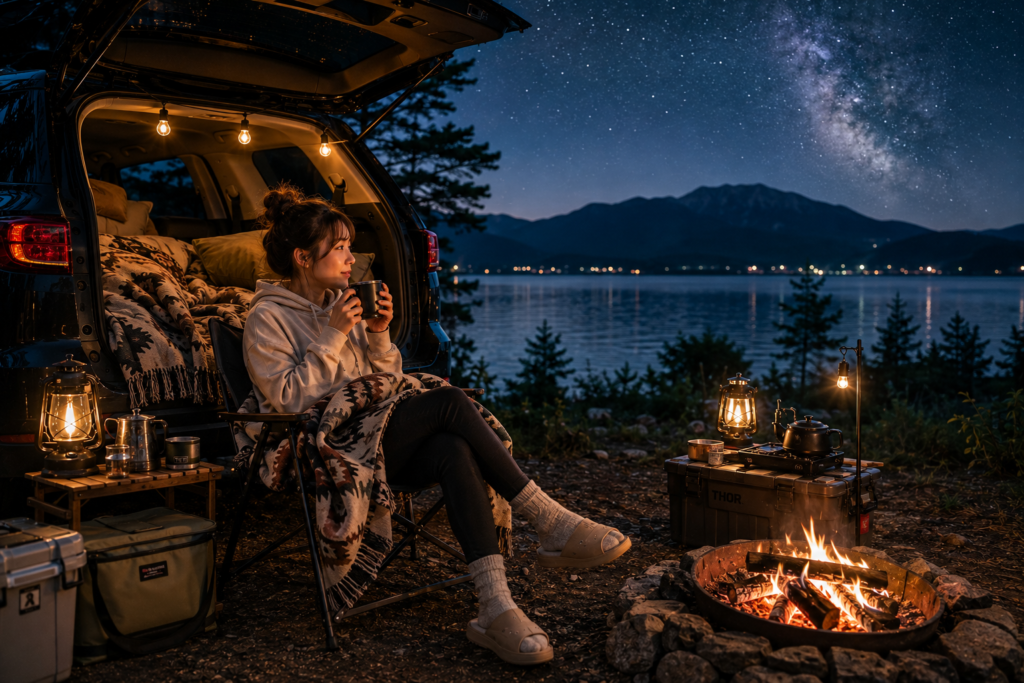
Car camping isn’t about building a perfect little home in the wilderness. It’s about making the outdoors comfortable enough that you can actually enjoy being there.
Most car camping mistakes happen because beginners focus on gear before thinking about how the trip will actually unfold. Arrive early, pack less, test your sleeping setup, watch the weather, organize your essentials, and always have a simple backup plan.
Do that, and even when something goes wrong, it usually becomes a story instead of a disaster.
And honestly, a camping trip where absolutely nothing goes wrong?
You probably won’t remember that one anyway.
FAQ
What is the biggest mistake first-time car campers make?
Trying to do too much on the first trip. A simple sleeping setup, basic meals, reliable lighting, water, and weather protection are usually enough. Learn what you actually need before adding more equipment.
Is it safe to sleep overnight in an SUV?
It can be, provided overnight parking or camping is permitted and you follow appropriate ventilation, weather, personal safety, and local camping rules. Never use fuel-burning cooking or heating equipment inside a closed vehicle.
How early should I arrive at a car camping site?
For beginners, arriving around two hours before sunset provides useful daylight for checking the site, leveling the vehicle, organizing gear, and preparing your sleeping area.
What should I always keep within reach at night?
Keep your vehicle keys, phone, headlamp or flashlight, water, shoes, and any essential personal items in one consistent location beside your sleeping area.
How can I make my first car camping trip easier?
Keep it short and close to home. Test your sleeping setup beforehand, choose an established legal campsite, arrive before dark, and avoid bringing equipment you don’t know how to use.
Internal Links
Car Camping Essentials (2026): The Complete Guide for a Comfortable Outdoor Adventure
How to Organize Your SUV for Car Camping
Best Car Camping Sleeping Pads (2026): The Ultimate Buyer’s Guide for Better Sleep Outdoors
Best Camping Lanterns (2026): Bright, Reliable Lighting for Every Campsite
Related Guides
How to Stay Warm While Car Camping
Car Camping Window Covers: Privacy and Better Sleep
Best Camping First Aid Kits (2026): Essential Emergency Gear for Every Camper
Best Camping Coolers (2026): Complete Guide to Keeping Food and Drinks Cold Outdoors